No products in the cart.
Seasonal Garlic Guide: When to Buy and How to Store for Freshness
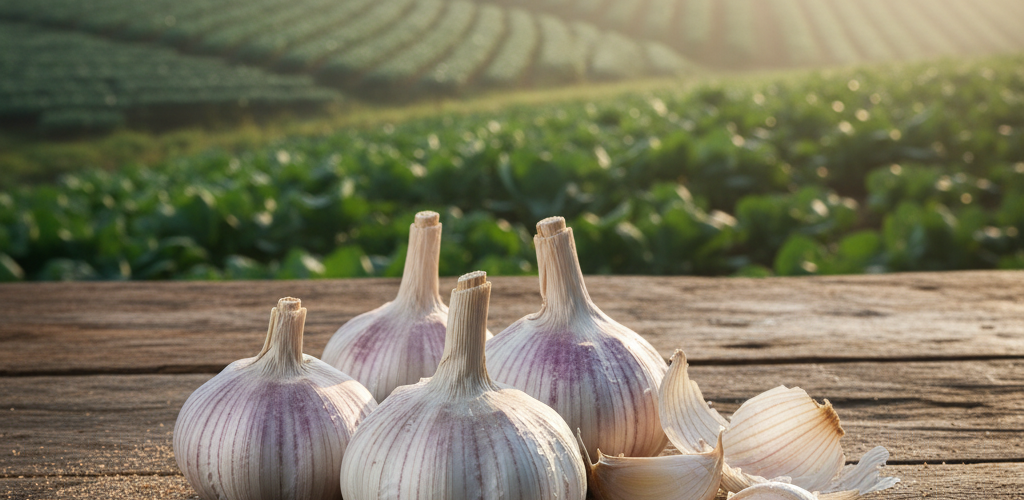
In the vibrant tapestry of Sri Lankan cuisine, few ingredients hold as much power as garlic. From the sizzle of a tempered dhal to the rich, aromatic base of a slow-cooked chicken curry, garlic is the silent hero of our kitchens. But have you ever wondered why some garlic tastes sharper, or why those bulbs you bought last week are already starting to sprout green shoots? The secret lies in understanding seasonality and the art of tropical storage.
The Garlic Landscape in Sri Lanka: Local vs. Imported
While garlic is a staple in every Sri Lankan household, our relationship with this pungent bulb is unique. Sri Lanka consumes approximately 3,000 to 4,000 metric tons of garlic every month. However, the majority of this—nearly 36,000 tons annually—is imported from countries like China and India. These imported varieties are often large, white, and easy to peel, but they often lack the intense, medicinal punch of our locally grown varieties.
In the mist-covered hills of Nuwara Eliya and the fertile lands of Welimada, a smaller, more potent variety of garlic is cultivated. Local Sri Lankan garlic is prized for its high concentration of essential oils and allicin. When you source produce through platforms like NunuFresh, you are often getting garlic that has traveled fewer miles, retaining more of its natural goodness compared to mass-imported bulbs that have spent weeks in cold storage and shipping containers.
Understanding Garlic Seasonality: When to Buy
Garlic is not a crop that grows overnight. It requires a specific cycle of cool weather to initiate bulb formation and a drier period to mature. In Sri Lanka, the primary harvest seasons align with the major agricultural cycles:
- Maha Season Harvest (February – March): This is often considered the peak time for fresh local garlic. The bulbs harvested during these months have benefited from the cooler year-end temperatures in the central highlands.
- Yala Season Harvest (August – September): A secondary harvest that provides a fresh influx of produce before the heavy monsoon rains.
Buying garlic during these harvest windows ensures you are getting “new crop” garlic. Freshly harvested garlic has a higher moisture content and a much more vibrant flavor. As the months pass after harvest, the garlic slowly cures and dries, which concentrates the flavor but also brings it closer to its natural sprouting phase.
How to Choose the Best Garlic: A Buyer’s Checklist
When shopping for garlic, especially if you are looking for organic produce, keep these three checks in mind:
1. The Firmness Test
Gently squeeze the bulb. It should feel tight and firm. If it feels hollow, soft, or “springy,” the cloves inside have likely started to wither or rot. Firmness is the number one indicator of internal moisture and freshness.
2. Inspect the Skin
Look for bulbs with plenty of papery, dry skin. The skin acts as a natural protective barrier. Avoid bulbs with damp or brownish spots, as this indicates mold or moisture damage—a common issue in our humid Sri Lankan climate.
3. Check for Sprouts
If you see green shoots peeking out from the top of the bulb, the garlic is past its prime. While still edible, sprouted garlic tends to have a more bitter, sharp taste and has lost many of its health-boosting properties.
Storage Secrets for the Sri Lankan Climate
Storing garlic in a tropical country like Sri Lanka presents a challenge: humidity. Most international advice suggests a “cool, dry place,” but in our homes, “cool” can be hard to find. Here is how to keep your garlic fresh for weeks, or even months.
The “No Fridge” Rule for Whole Bulbs
It is a common mistake to toss whole garlic bulbs into the refrigerator. Cold temperatures actually signal to the bulb that “winter” is over, which triggers the sprouting process. Furthermore, the humidity in the fridge can lead to mold growth. Instead, keep whole bulbs in a mesh bag or a wicker basket in a corner of your kitchen that gets good airflow and is away from direct sunlight.
The Rice Container Trick
A traditional Sri Lankan method for preserving garlic (and dried chilies) is to bury the bulbs deep inside your rice container. Rice is a natural desiccant—it absorbs excess moisture from the air, creating a perfectly dry micro-environment for the garlic. As an added bonus, the scent of garlic can help repel certain pests from your rice!
Long-term Storage: Freezing and Pastes
If you find yourself with a large haul of seasonal garlic from NunuFresh, consider these long-term methods:
- Garlic Paste: Peel the cloves and blend them with a touch of oil and a pinch of salt (salt acts as a preservative). Store this in an airtight glass jar in the fridge for up to 3 weeks.
- Freezing Cloves: You can freeze whole peeled cloves in a Ziploc bag. They will stay good for up to 6 months. While they lose their crisp texture, they are perfect for curries and stews.
- Garlic Oil Cubes: Mince garlic, place it in an ice cube tray, cover with vegetable oil, and freeze. Pop a cube directly into your pan for an instant flavor base.
Why Organic Garlic Matters for Your Family
Garlic is a bio-accumulator, meaning it can absorb substances from the soil it grows in. Organic garlic, like the produce sourced from Nuwara Eliya farms by NunuFresh, is grown without synthetic pesticides or heavy chemical fertilizers. For Sri Lankan families, choosing organic is not just about flavor; it’s about reducing the chemical load on our bodies. Organic garlic has also been shown in some studies to contain higher levels of allicin, the compound responsible for most of garlic’s health benefits.
Health Benefits: More Than Just a Spice
Garlic has been a cornerstone of Ayurvedic medicine for centuries, and modern science agrees. Including fresh, seasonal garlic in your diet offers several benefits:
- Heart Health: Garlic helps in regulating blood pressure and reducing cholesterol levels.
- Immune Support: Its antimicrobial properties help the body fight off common colds and respiratory infections—especially important during the monsoon season.
- Antioxidant Power: It is rich in manganese, selenium, and vitamin C, which help protect cells from damage.
Conclusion
Garlic is a tiny bulb with a massive impact on our health and our heritage. By choosing seasonal, locally grown garlic and storing it with care, you ensure that every meal you serve your family is packed with the best possible flavor and nutrition. Whether you are tempering a simple parippu or preparing a festive feast, the quality of your garlic makes all the difference.
Ready to taste the difference of farm-fresh produce? Explore the wide selection of organic vegetables and aromatics at NunuFresh, delivered directly from the farms of Nuwara Eliya to your doorstep.