No products in the cart.
How to Choose the Freshest Mushroom at the Market
The Art of Selecting Perfect Mushrooms for Your Sri Lankan Kitchen
Mushrooms have long been a beloved ingredient in Sri Lankan households. Whether they are being tossed into a spicy ‘devilled’ stir-fry, simmered in a rich coconut milk gravy, or added to a healthy vegetable soup, their earthy umami flavor is irreplaceable. However, unlike hardy vegetables like pumpkins or carrots, mushrooms are incredibly delicate. They are the ‘goldilocks’ of the produce world—they need the perfect conditions to stay fresh, and they can spoil quickly if handled incorrectly.
For many Sri Lankan families, finding high-quality mushrooms can be a challenge. In the humid tropical climate of our lowlands, mushrooms can wilt or become slimy within hours of hitting a shelf. This is why many discerning home cooks look toward the cooler climates of Nuwara Eliya. The mist-covered hills and temperate weather of the central highlands provide the ideal environment for mushroom cultivation, mimicking the natural forest floors where these fungi thrive. When you source produce through platforms like NunuFresh, you are often getting mushrooms that were harvested in these ideal conditions and delivered rapidly to maintain their structural integrity.
In this guide, we will walk you through everything you need to know to identify, select, and store the freshest mushrooms, ensuring your next meal is both delicious and nutritious.
Understanding Mushroom Varieties in Sri Lanka
Before you can pick the best ones, it is helpful to know what you are looking for. While there are thousands of mushroom species globally, a few specific varieties dominate the Sri Lankan market:
- Oyster Mushrooms (Makulu Hathu): These are the most common in Sri Lanka. They are fan-shaped, usually white, grey, or slightly pink, and have a delicate, velvety texture.
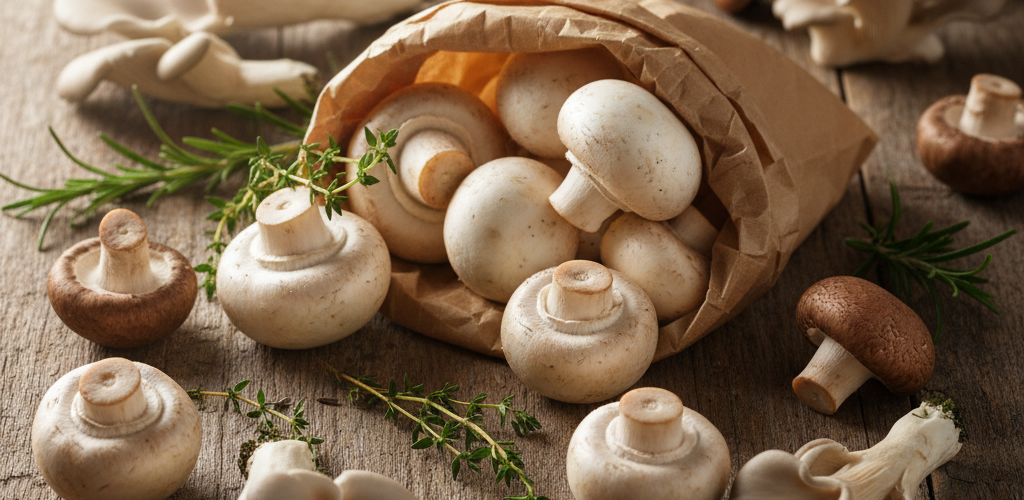
- Button Mushrooms: These are small, round, and white. They are prized for their firm texture and mild flavor.
- Portobello Mushrooms: Larger and darker, these are essentially mature button mushrooms with a much deeper, meatier flavor.
- Shiitake Mushrooms: Often found in specialty organic sections, these have a brown, umbrella-shaped cap and a distinct woody aroma.
The Visual Inspection: What to Look for First
When you are standing at the market stall or browsing an online selection, your first line of defense against poor quality is a visual check. Here is a checklist for your eyes:
1. The Surface of the Cap
The cap should be plump, smooth, and have a matte finish. If the mushroom looks ‘wrinkled’ or shriveled, it is a sign of dehydration. This happens when mushrooms have been sitting out too long or haven’t been stored in a humidity-controlled environment. Fresh mushrooms are roughly 80% to 90% water; once they start losing that moisture, they lose their flavor and texture.
2. Color and Spotting
For white button or oyster mushrooms, look for a bright, uniform color. Avoid any mushrooms with dark brown or black spots. These spots, often called ‘pitting,’ indicate the beginning of bacterial decay. While a little bit of dirt is perfectly fine (and actually common with organic farming), slimy dark patches are a definite red flag.
3. The Gills
If you turn a mushroom over, you will see the ‘gills’ underneath the cap. In button mushrooms, the gills should be tightly closed. If the gills are wide open and dark, the mushroom is older. While still edible, it will have a much stronger, sometimes overpowering taste and a softer texture. For oyster mushrooms, the gills should look clean and intact, not mushy or crumbling.
The ‘Touch and Smell’ Test
If you have the opportunity to handle the produce (or once your delivery arrives), use your other senses to verify freshness.
The Texture Feel
A fresh mushroom should feel firm and light. It should not feel damp, tacky, or slimy to the touch. If you press it gently, it should feel ‘springy.’ If your finger leaves an indentation or if the mushroom feels ‘spongy,’ it is past its prime. Sliminess is the most common sign that a mushroom has begun to spoil, usually due to being trapped in plastic packaging without ventilation.
The Aroma of the Highlands
Fresh mushrooms should smell like the earth—a pleasant, woody, and sweet scent reminiscent of a forest after rain. This is the hallmark of organic produce grown in rich soil. If you detect a sour, pungent, or ammonia-like smell, discard them immediately. This scent indicates that the proteins in the mushroom are breaking down, which can lead to digestive upset if consumed.
Why Nuwara Eliya Produce is Superior
In Sri Lanka, the source of your vegetables matters immensely. Mushrooms grown in the heat of the plains require significant artificial cooling, which can be inconsistent. However, mushrooms from Nuwara Eliya are grown in naturally cool, high-altitude air. This natural temperature control results in a slower growth cycle, which often leads to a denser, more flavorful mushroom with a longer shelf life.
By choosing organic produce that comes directly from these highland farms, you are avoiding the heavy chemical use sometimes found in mass-industrial farming. NunuFresh prides itself on connecting these small-scale Nuwara Eliya farmers directly to your doorstep, ensuring that the time between harvest and your kitchen is kept to an absolute minimum.
How to Store Your Mushrooms to Maintain Freshness
Even the freshest mushroom from the market can spoil in a day if stored incorrectly at home. Follow these tips to extend their life:
- Ditch the Plastic: Never store mushrooms in a sealed plastic bag. They ‘breathe’ and release moisture. In plastic, that moisture gets trapped, leading to slime.
- The Paper Bag Method: The best way to store mushrooms is in a brown paper bag. The paper absorbs excess moisture while still allowing the mushrooms to breathe.
- Refrigeration: Keep them in the main compartment of the fridge, not the crisper drawer (which is often too humid).
- Don’t Wash Until Cooking: Mushrooms are like sponges. If you wash them and then store them, they will soak up the water and rot. Only wash or wipe them down immediately before you put them in the pan.
The Health Benefits of Fresh Mushrooms
Choosing fresh isn’t just about taste; it’s about nutrition. Mushrooms are a powerhouse of health benefits, especially for Sri Lankan diets which can sometimes be heavy on carbohydrates. They are one of the few non-animal sources of Vitamin D (especially when exposed to sunlight). They are also rich in B vitamins, selenium, and potassium, which support heart health and immune function. Fresh, organically grown mushrooms contain higher levels of antioxidants compared to those that have been sitting in storage for long periods.
Conclusion: Bringing the Farm to Your Table
Choosing the freshest mushrooms requires a bit of practice, but once you know what to look for—the firm texture, the earthy scent, and the absence of spots—you will never settle for mediocre produce again. By supporting local agriculture and understanding the journey your food takes from the cool hills of Nuwara Eliya to your home, you ensure better health for your family and better flavor in your meals.
Ready to experience the difference that farm-fresh, organic produce makes? At NunuFresh, we bring the best of Nuwara Eliya’s harvests directly to your door, ensuring you get the crispest vegetables and the freshest mushrooms available in Sri Lanka.
Explore our wide selection of organic produce today and taste the freshness of the highlands!