No products in the cart.
Eating Seasonal Produce: Better for Your Health and Budget
The Magic of Seasonal Eating in Sri Lanka
In the lush, mist-covered hills of Nuwara Eliya, the rhythm of nature dictates the harvest. For generations, Sri Lankan families lived in harmony with the seasons, eating what the earth provided at that specific time of year. However, in our modern world of global shipping and advanced cold storage, we have become accustomed to seeing every vegetable and fruit available year-round. While convenient, this shift has come at a cost to both our physical well-being and our household budgets.
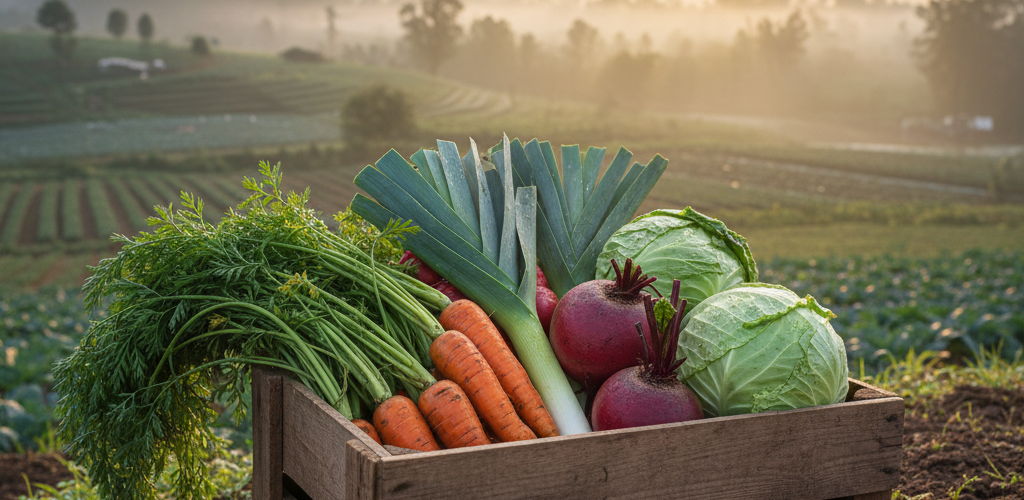
Choosing to eat seasonal produce—selecting fruits and vegetables that are harvested at their natural peak—is one of the most impactful decisions you can make for your family. Whether it is the crisp leeks of the highlands or the vibrant carrots pulled from the dark soil of Nuwara Eliya, seasonal eating offers a wealth of benefits. In this guide, we explore why syncing your plate with the Sri Lankan harvest is the ultimate win-win for your health and your wallet.
1. Maximum Nutritional Value: Nature’s Multivitamin
When plants are allowed to ripen naturally in the sun and are harvested at the right moment, they reach their peak nutritional density. Research consistently shows that fruits and vegetables grown in-season contain higher levels of vitamins, minerals, and antioxidants compared to those forced to grow out of season or harvested prematurely for long-distance transport.
The Science of Freshness
Take Vitamin C, for example. Studies have shown that some vegetables can lose up to 50% of their Vitamin C content within just a few days of being harvested if they are not stored or consumed quickly. When you buy produce that is out of season, it often has to travel thousands of miles or sit in cold storage for weeks. By the time it reaches your kitchen in Colombo or Kandy, its nutritional profile has significantly degraded.
By choosing seasonal produce from regions like Nuwara Eliya through platforms like NunuFresh, you are ensuring that the time between farm and table is minimized. This means you are getting the full spectrum of phytonutrients that nature intended, supporting your immune system and overall vitality.
Antioxidants and Seasonal Cycles
Nature is incredibly smart. It often provides exactly what our bodies need during specific times of the year. In the hotter months, Sri Lanka’s seasonal fruits are often hydrating and rich in electrolytes. In the cooler periods, the earth provides hearty root vegetables that are rich in starches and vitamins to sustain our energy. Eating with the seasons allows your body to stay in sync with the environment.
2. Superior Flavor and Culinary Delight
If you have ever bitten into a carrot that tasted like nothing but water, or a tomato that was mealy and bland, you have experienced the downside of out-of-season farming. Produce that is forced to grow out of its natural cycle often relies on artificial ripening agents or is bred for durability rather than flavor.
The Nuwara Eliya Difference
In the high altitudes of Sri Lanka’s central highlands, the unique soil composition and cool climate produce vegetables with an unmistakable sweetness and crunch. When you eat a seasonal leek or a head of cabbage harvested at its peak, the flavor is intense and vibrant. This is because the plant has had the full time required to develop its natural sugars and aromatic compounds.
Cooking with seasonal ingredients makes your job in the kitchen much easier. When the produce is high-quality and flavorful, you don’t need heavy sauces or excessive seasoning to make a meal taste great. The ingredients speak for themselves, bringing the authentic taste of the Sri Lankan countryside to your dining table.
3. Significant Cost Savings for Your Household
One of the most common myths about healthy eating is that it has to be expensive. In reality, eating seasonally is one of the most effective ways to slash your grocery bill. It all comes down to the basic economic principle of supply and demand.
The Price of Abundance
When a particular crop is in its peak harvest season, the supply is high. Farmers in Nuwara Eliya have an abundance of produce ready to be sold. To move this volume quickly, prices naturally drop. Conversely, when you try to buy a vegetable that is out of season, you are paying for the high costs of specialized greenhouse growing, intensive irrigation, or expensive long-term refrigeration.
Reducing Hidden Costs
Out-of-season produce often carries the “hidden cost” of logistics. Transporting food across long distances requires significant fuel and specialized packaging. When you buy seasonal, local produce, these middle-man costs are reduced. By sourcing directly from local farms, NunuFresh helps bridge this gap, offering premium organic produce at prices that reflect the true value of the harvest rather than the cost of the commute.
4. Supporting Sustainable Farming and the Environment
Eating seasonally is an act of environmental stewardship. Every time you choose a seasonal vegetable over an out-of-season import, you are reducing your carbon footprint.
Reducing Food Miles
“Food miles” refers to the distance food travels from the farm to your plate. Out-of-season produce often travels by air or sea, consuming massive amounts of fossil fuels. Seasonal produce, especially when sourced from within Sri Lanka, travels a fraction of that distance. This reduces greenhouse gas emissions and minimizes the need for plastic packaging used to protect food during long hauls.
Soil Health and Biodiversity
Seasonal farming encourages crop rotation. When farmers follow natural cycles, they are less likely to over-tax the soil with the same crop year-round. This practice helps maintain soil fertility and reduces the need for heavy chemical fertilizers. In the organic farms of Nuwara Eliya, these traditional and sustainable methods ensure that the land remains productive for future generations of Sri Lankan farmers.
5. How to Identify Seasonal Produce in Sri Lanka
While Sri Lanka’s tropical climate allows for many crops to grow throughout the year, there are still distinct peaks. Here is how you can stay informed:
- Follow the Colors: When you see an abundance of a certain vegetable at the market or on the NunuFresh website, it is likely at its seasonal peak.
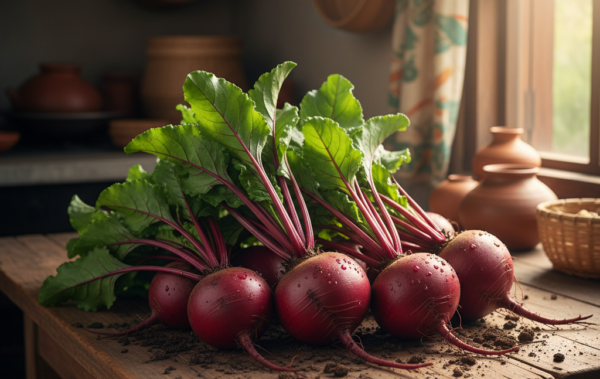
- Watch the Price: A sudden drop in the price of beans or beetroot usually indicates a harvest surge.
- Check the Origin: Look for produce specifically labeled from Nuwara Eliya or the Uva Province, as these regions have specific harvest windows that define the quality of the produce.
- Shop Organic: Organic farmers are more likely to grow in harmony with the seasons rather than using chemicals to force growth out of turn.
Conclusion: A Healthier Choice for a Better Future
Eating seasonally is more than just a diet trend; it is a return to a more sensible, sustainable, and soulful way of living. By aligning your kitchen with the harvests of Nuwara Eliya, you treat your body to the highest levels of nutrition, your palate to the finest flavors, and your wallet to significant savings.
Next time you prepare a meal, think about where your ingredients came from. Were they nurtured by the cool mountain air and the rich soil of the highlands? By choosing seasonal, organic produce, you are not only nourishing your family but also supporting the hardworking farmers who keep Sri Lanka’s agricultural heritage alive.
Ready to experience the difference of farm-fresh, seasonal produce? Explore the latest harvest at NunuFresh and have the best of Nuwara Eliya delivered directly to your doorstep. From crunchy carrots to vibrant greens, taste the goodness of nature at its peak.