No products in the cart.
A Guide to Sri Lankan Seasonal Fruits and Vegetables
The Rhythm of the Island: Understanding Sri Lanka’s Agricultural Seasons
In the heart of the Indian Ocean, Sri Lanka thrives as a tropical paradise where the sun, rain, and soil dance in a delicate balance. For generations, Sri Lankan life has been dictated by the rhythm of the monsoons. Unlike temperate climates that experience four distinct seasons, our agricultural calendar is defined by the Maha and Yala seasons. Understanding these cycles is the secret to enjoying the most flavorful, nutrient-dense produce the island has to offer.
Eating seasonally isn’t just a culinary trend; it is a way of life that connects us to our heritage. When we eat fruits and vegetables that are harvested at their natural peak, we benefit from higher vitamin content, better flavor, and a reduced carbon footprint. In this guide, we will explore the vibrant variety of Sri Lankan seasonal produce, with a special focus on the ‘Salad Bowl’ of the island—Nuwara Eliya—and how you can bring these fresh flavors into your home.
The Maha and Yala Seasons Explained
The Maha Season (Great Season) typically begins with the arrival of the North-East monsoon from September to March. This is the main cultivation period for the island, especially for rice and various up-country vegetables. The Yala Season (Lesser Season) follows the South-West monsoon from May to August. While these seasons primarily dictate paddy cultivation, they also influence the availability of the exotic tropical fruits and hardy vegetables that grace our tables.
Up-Country Gems: The Year-Round Bounty of Nuwara Eliya
While much of the island experiences distinct seasonal shifts, the central highlands, particularly Nuwara Eliya, offer a unique microclimate. Situated at an altitude of approximately 1,889 meters, the cool temperatures and misty air make it the perfect environment for ‘English’ vegetables that wouldn’t survive in the tropical heat of the lowlands.
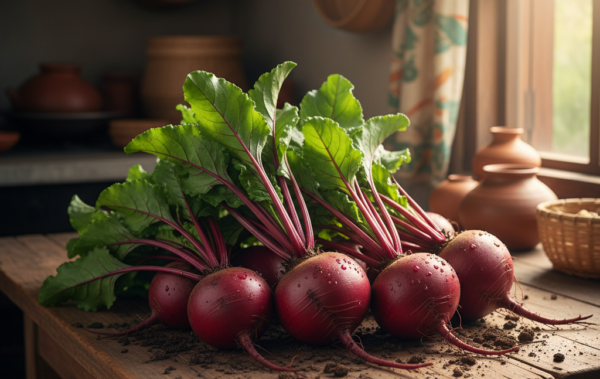
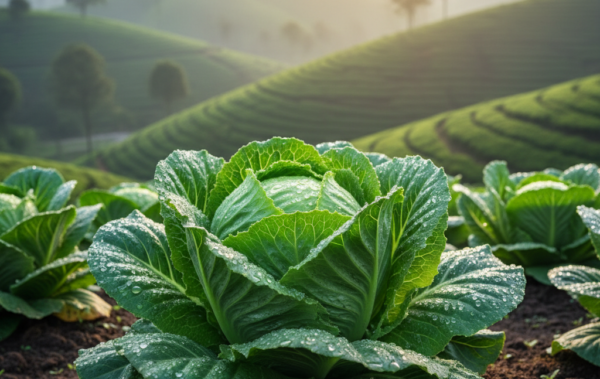
Nuwara Eliya is famous for its crisp carrots, vibrant leeks, earthy beetroots, and tender cabbage. Because of the consistent cool climate, many of these vegetables are available year-round. However, the quality peaks during the drier months when the soil is rich and the drainage is optimal. This is where NunuFresh plays a vital role, sourcing directly from these high-altitude farms to ensure that the produce arriving at your doorstep still carries the morning dew of the mountains. By choosing produce from Nuwara Eliya, you are supporting a tradition of highland farming that has sustained Sri Lankan families for over a century.
A Calendar of Sri Lankan Seasonal Fruits
The true joy of living in Sri Lanka is the arrival of fruit seasons. Each period of the year brings a new explosion of color and sweetness to our markets.
The Avurudu Season (April – May)
As the Sinhala and Tamil New Year approaches, the island turns golden with the arrival of the Mango. From the sweet, fiberless Karthakolomban to the slightly tangy Vellaicolomban, mangoes are the undisputed stars of April. This is also the time for Cashew Apples and the first harvest of Jackfruit (Kos), which is often called the ‘rice tree’ of Sri Lanka because of its incredible versatility and nutritional density.
The Mid-Year Tropical Explosion (June – August)
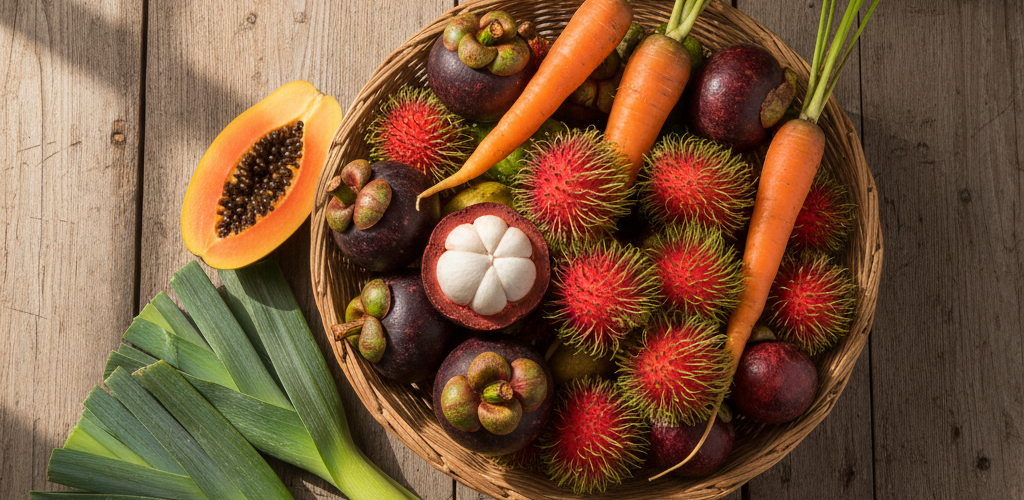
When the Yala monsoon winds blow, the markets are flooded with three iconic fruits: Rambutan, Mangosteen, and Durian. These fruits are heavily seasonal and highly anticipated. The Malwana region becomes a hub for bright red, hairy Rambutans, while the Kalutara district yields the ‘Queen of Fruits’—the Mangosteen. Mangosteens are prized for their snowy-white segments and perfect balance of sweet and sour. During this time, the pungent yet creamy Durian also makes its appearance, a polarizing delicacy that true connoisseurs wait all year for.
The Year-End Harvest (November – January)
As the year closes, we see a rise in the availability of Woodapple (Divul) and Beli. Woodapple, with its hard shell and pungent, acidic pulp, is a favorite for juices and ‘asmi’ toppings. This period also sees a second, smaller peak for certain mango varieties and a steady supply of Papaya and Banana, which, while available year-round, often taste sweeter during the drier spells between the monsoon rains.
Seasonal Vegetables: From the Low Country to the Highlands
Sri Lankan vegetables are generally categorized into ‘Up-Country’ (Udarata) and ‘Low-Country’ (Pahatharata) varieties. Eating these according to their peak harvest times ensures you get the best texture and flavor.
- Up-Country Favorites: Carrots, Leeks, Beets, Knohl-Khol, and Cauliflower. These thrive in the mist of Nuwara Eliya and are best when the highland rains are moderate.
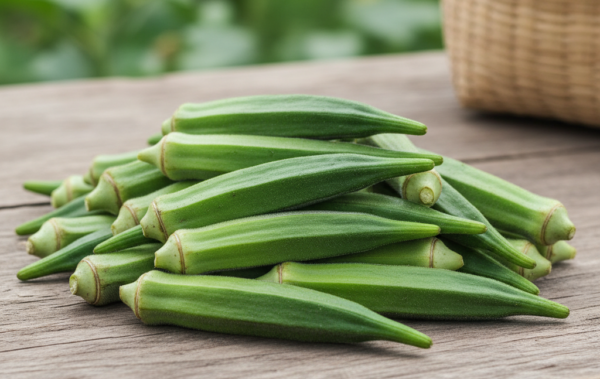
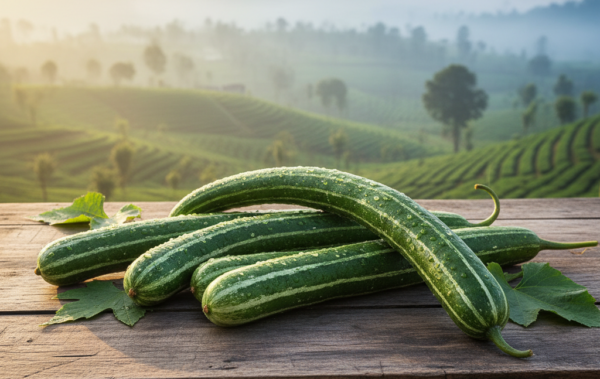
- Low-Country Staples: Brinjal (Wambatu), Okra (Bandakka), Snake Gourd (Pathola), and Pumpkin (Wattakka). These thrive in the heat and are particularly abundant during the tail end of the Maha season.
- Exotic Greens: We cannot forget our ‘Mallum’ leaves. Gotukola, Mukunuwenna, and Kankun are staples that flourish in the wet zones, providing essential iron and vitamins throughout the year.
When you buy organic produce, you are ensuring that these vegetables haven’t been rushed with synthetic growth hormones or coated in harmful pesticides. Organic farming respects the natural growth cycle of the plant, resulting in a deeper, more ‘authentic’ taste that many of us remember from our grandparents’ kitchens.
The Benefits of Eating Seasonally and Organically
Why should we care about the seasonal calendar? There are three main reasons: nutrition, cost, and the environment.
1. Maximum Nutrition: Fruits and vegetables begin to lose nutrients the moment they are picked. Seasonal produce that is grown locally reaches your table faster, meaning it retains more Vitamin C, antioxidants, and minerals. NunuFresh focuses on this speed, bridging the gap between the farm and the city to maintain that nutritional integrity.
2. Superior Taste: Have you ever eaten a watery, tasteless tomato in the off-season? That’s because it was likely harvested early and ripened in a crate. Seasonal produce ripes naturally on the plant, allowing the sugars and flavors to fully develop.
3. Supporting Local Farmers: By buying what is in season, you are supporting Sri Lankan farmers when their yields are highest. This helps stabilize the local agricultural economy and ensures that traditional farming practices—especially organic ones—remain viable for the next generation.
How NunuFresh Connects You to the Farm
In the past, getting the freshest Nuwara Eliya produce required a trip to the hill country or waking up at dawn to visit the Manning Market. Today, NunuFresh simplifies this process. By working directly with farmers who prioritize organic and sustainable methods, NunuFresh ensures that your family has access to the best of Sri Lanka’s seasons without the hassle.
Whether it is the peak of the Rambutan season or the height of the carrot harvest in the highlands, choosing a trusted marketplace means you don’t have to guess about the quality of your food. You can trust that the produce is grown with care, harvested at the right time, and delivered with its freshness intact.
Conclusion: Embrace the Seasons
Sri Lanka’s bounty is a gift that changes with every monsoon. By learning to eat with the seasons, you not only improve your family’s health but also rediscover the joy of food that is truly fresh. From the misty hills of Nuwara Eliya to the sun-drenched orchards of the dry zone, there is always something delicious waiting to be discovered.
Ready to taste the difference of farm-fresh, organic produce? Explore NunuFresh’s latest harvest and bring the best of Sri Lanka’s seasonal vegetables and fruits directly to your kitchen today.