No products in the cart.
Seasonal Eating Guide: What Fresh Produce Is Available Now in Sri Lanka
The Rhythm of the Island: Understanding Seasonal Eating in Sri Lanka
In the vibrant landscapes of Sri Lanka, the concept of ‘seasonal eating’ is more than just a culinary trend; it is a way of life that has sustained our island for generations. From the misty highlands of Nuwara Eliya to the sun-drenched plains of the dry zone, our agricultural calendar is dictated by the rhythmic arrival of the monsoons. Eating seasonally means consuming fruits and vegetables at their peak ripeness, when they are most flavorful and packed with the highest nutritional density.
For Sri Lankan families, choosing produce that is ‘in season’ ensures that you are getting the best value for your money while supporting local farmers. When you buy vegetables that are naturally thriving in the current climate, you reduce the need for heavy chemical interventions and long-term storage. At NunuFresh, we believe that the journey from the farm to your table should be as short and transparent as possible, celebrating the unique offerings of each month.
The Two Pillars: Maha and Yala Seasons
To understand what is fresh ‘now,’ one must understand the two primary cultivation seasons in Sri Lanka: Maha and Yala. These seasons are governed by the wind and rain patterns that define our tropical climate.
- Maha Season (September to March): Fed by the North-East Monsoon, this is the main cultivation season. It is during this time that the island sees a massive surge in paddy cultivation and high-country vegetable production.
- Yala Season (May to August): Driven by the South-West Monsoon, this season focuses on the wet zone and intermediate zones, providing a different variety of tropical fruits and hardy vegetables.
Currently, as we move through the latter half of the Maha cycle, the markets are brimming with produce that has benefited from the cooler rains and the nurturing soil of the hill country.
The Nuwara Eliya Bounty: Freshness from the Hills
Nuwara Eliya, often referred to as ‘Little England,’ serves as the vegetable garden of Sri Lanka. Its unique temperate climate and high altitude allow for the cultivation of ‘exotic’ or ‘up-country’ vegetables that cannot grow elsewhere on the island. Because NunuFresh sources directly from these highland farms, the produce arrives with the dew still fresh on the leaves.
High-Country Staples Available Now
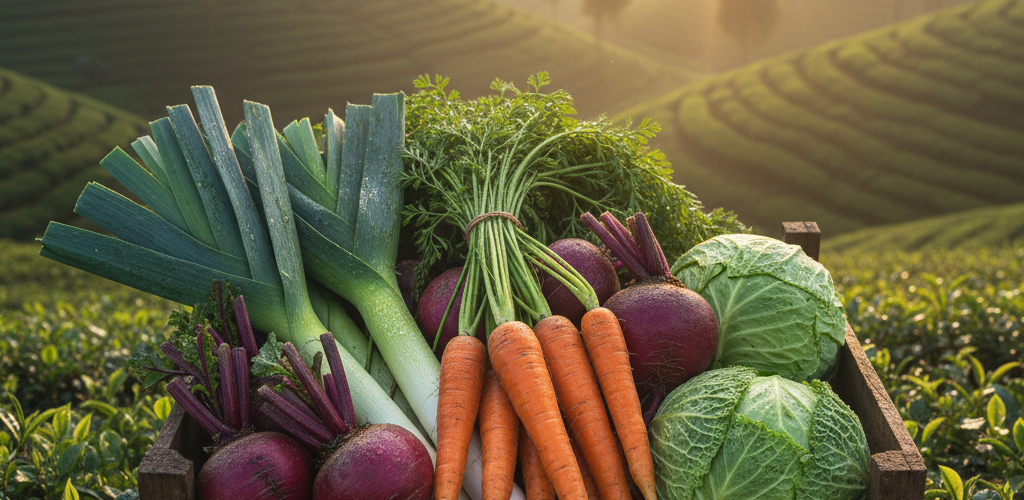
1. Carrots (Nuwara Eliya Carrots): These are currently at their peak sweetness. Unlike imported varieties, the local Nuwara Eliya carrot is deep orange, crunchy, and rich in Beta-carotene. They are perfect for fresh salads or a classic Sri Lankan carrot themparaduwa.
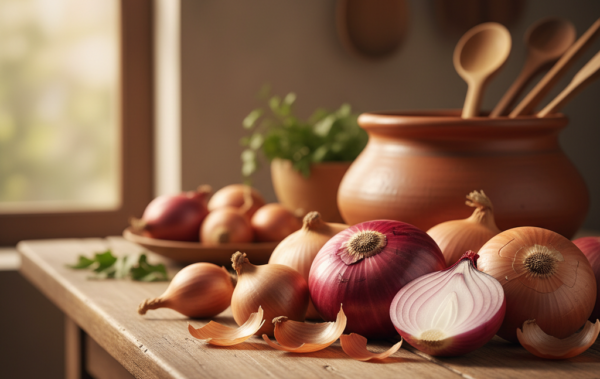
2. Leeks and Spring Onions: The cool, moist air of the highlands produces thick, flavorful leeks. These are essential for adding depth to soups and fried rice. They are currently abundant and offer excellent nutritional value, including high levels of Vitamin K.
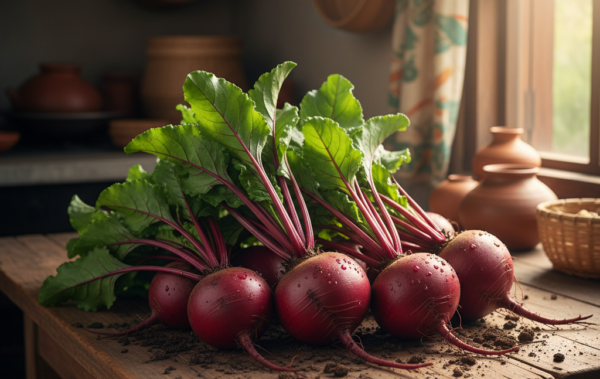
3. Beetroot: Sri Lankan beetroots are prized for their earthy sweetness and vibrant color. Rich in nitrates and folate, they are a powerhouse for blood health. During this season, you will find them firm and heavy, a sign of high water content and freshness.
4. Cabbage and Cauliflower: The current weather conditions in the central hills are perfect for brassicas. Look for tight, heavy heads of cabbage and creamy white cauliflower. These vegetables are high in fiber and Vitamin C, helping boost immunity during the changing weather.
Low-Country Favorites: Heat-Loving Produce
While the hills provide the ‘temperate’ greens, the low-country regions are currently producing hardy vegetables that thrive in the warmer plains. Integrating these with your up-country staples creates a balanced, traditional Sri Lankan diet.
What to Look For:
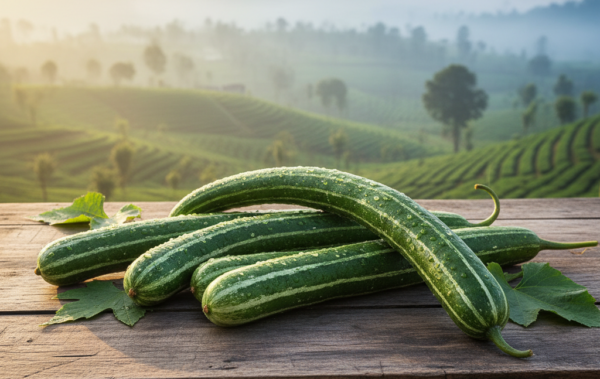
- Snake Gourd (Pathola) and Ridge Gourd (Wetakolu): These hydrating vegetables are excellent for the body’s cooling system. They are currently in steady supply and are best enjoyed in light coconut milk curries.
- Pumpkin (Wattakka): Rich in Vitamin A and antioxidants, pumpkins harvested during this period are particularly starchy and sweet. They store well, making them a reliable staple for any kitchen.
- Brinjal (Wambatu): From the purple-streaked varieties to the small green ones, brinjals are plentiful now. They are versatile, whether fried for moju or roasted for a healthy pahi.
The Organic Advantage: Why Seasonal Matters
In Sri Lanka, the push toward organic farming has gained significant momentum. When you choose organic, seasonal produce, you are making a choice for your long-term health. Organic farming in Nuwara Eliya focuses on soil health, using compost and natural pest control methods instead of synthetic fertilizers and pesticides.
Seasonal produce is naturally more resistant to pests because it is growing in its ideal environment. This means that even non-certified seasonal produce often requires fewer chemicals than ‘out-of-season’ crops forced to grow in unfavorable conditions. By ordering through platforms like NunuFresh, you are accessing a curated selection of produce that prioritizes these organic principles, ensuring that the ‘freshness’ you taste is untainted by harmful residues.
Nutritional Benefits of Eating with the Seasons
Nature is incredibly smart. Have you noticed how hydrating fruits like watermelon and cucumbers are more available during the hot months? Or how Vitamin C-rich citrus and hearty root vegetables appear when we need to bolster our immune systems? Eating seasonally aligns your body with the environment.
1. Maximum Nutrient Density
Studies show that some vegetables can lose up to 50% of their nutritional value within a few days of being harvested if they are transported long distances or stored in suboptimal conditions. Seasonal eating ensures the time from soil to plate is minimized.
2. Enhanced Flavor Profiles
Anyone who has tasted a Nuwara Eliya strawberry in season versus an imported one knows the difference. Seasonal produce develops its sugars and aromatic compounds fully on the plant, leading to a superior culinary experience.
3. Supporting the Local Economy
When you buy what is in season, you are directly supporting the Sri Lankan farmer’s harvest cycle. This helps maintain the stability of our local food systems and ensures that traditional farming knowledge is passed down through generations.
Tips for Selecting the Best Produce This Month
When shopping for your weekly groceries, keep these tips in mind to ensure you are getting the best of the season:
- Check the Weight: For vegetables like cabbage, beetroot, and pumpkin, the heavier they feel for their size, the fresher and juicier they are.
- Look at the Greens: If you are buying carrots or radishes with the tops still on, the leaves should be bright green and crisp, not wilted.
- Smell the Produce: Seasonal fruits and even some vegetables (like tomatoes) should have a distinct, fresh aroma. If it smells like nothing, it was likely picked too early.
- Embrace Imperfection: In the world of organic produce, a slightly curved carrot or a leaf with a small hole is often a sign that the plant was grown naturally without heavy pesticides.
Bringing the Farm Home
Transitioning to a seasonal diet doesn’t have to be complicated. Start by looking at what is most abundant and affordable at the market—this is usually the best indicator of what is in season. Experiment with one new seasonal vegetable each week to keep your meals exciting and nutrient-diverse.
At NunuFresh, we take the guesswork out of seasonal eating. We work closely with our network of farmers in Nuwara Eliya to bring you the best of the Maha harvest, delivered straight to your doorstep in Colombo and beyond. By choosing seasonal, organic produce, you are not just cooking a meal; you are participating in a sustainable cycle that honors the land and your health.
Conclusion
Eating seasonally in Sri Lanka is a journey through the island’s diverse microclimates. Whether it is the crisp leeks of the highlands or the sweet pumpkins of the lowlands, each season offers a unique palette of flavors and health benefits. By choosing fresh, locally grown produce, you ensure that your family enjoys the very best that our fertile soil has to offer.
Ready to experience the true taste of Nuwara Eliya? Explore the NunuFresh marketplace today and discover our wide range of fresh, organic, and seasonal produce delivered directly from the farm to your kitchen.