No products in the cart.
Why Nuwara Eliya Vegetables Are Superior: Soil & Climate
The Golden Standard of Sri Lankan Produce
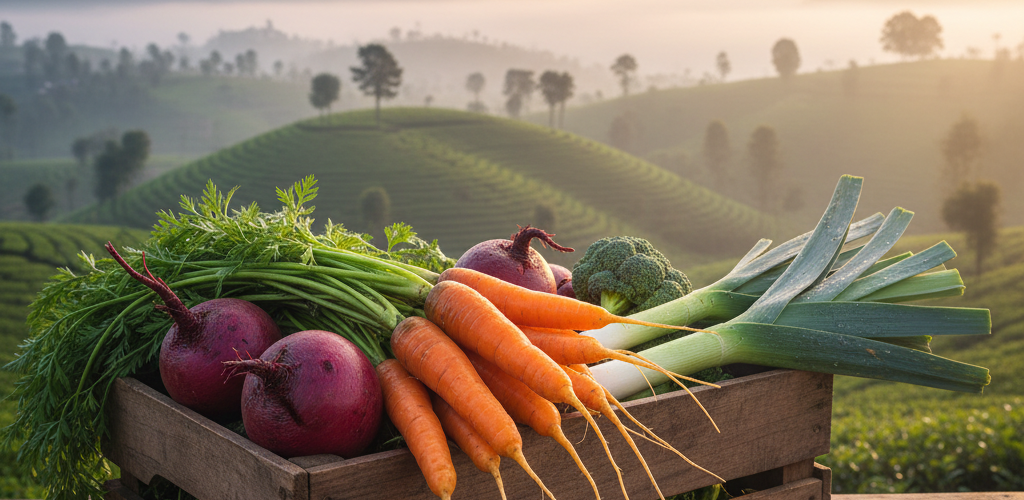
When you walk through a bustling local market in Colombo or browse an online grocery store, there is one label that immediately commands respect and signals quality: Nuwara Eliya. For generations, the name of this misty hill-country station has been synonymous with the finest vegetables in Sri Lanka. But have you ever wondered why a carrot from Nuwara Eliya tastes sweeter, or why its leeks are more fragrant than those grown elsewhere?
It isn’t just marketing; there is a profound scientific and traditional foundation behind the superiority of up-country produce. From the unique geological composition of the earth to the refreshing temperate climate that mimics Northern Europe, Nuwara Eliya offers a ‘terroir’ that is impossible to replicate. In this article, we dive deep into the three pillars that make these vegetables world-class: the soil, the climate, and the enduring farming traditions of the region.
1. The Magic of the Climate: Sri Lanka’s ‘Little England’
Nuwara Eliya sits at an elevation of approximately 1,868 meters (6,128 feet) above sea level. This high altitude creates a microclimate that is drastically different from the tropical heat of the lowlands. While the rest of Sri Lanka basks in temperatures often exceeding 30°C, Nuwara Eliya enjoys an average annual temperature of around 16°C.
The Science of Slow Growth
Why does the cold matter? In the tropical heat, vegetables grow rapidly. While this sounds efficient, rapid growth often leads to a lack of flavor development and a softer texture. In the cool, misty environment of the central highlands, vegetables grow at a much slower, more natural pace. This slow maturation allows the plant to accumulate more sugars and complex nutrients.
- Crispness: The cool nights help plants retain moisture, resulting in that signature ‘snap’ when you bite into a Nuwara Eliya radish or bell pepper.
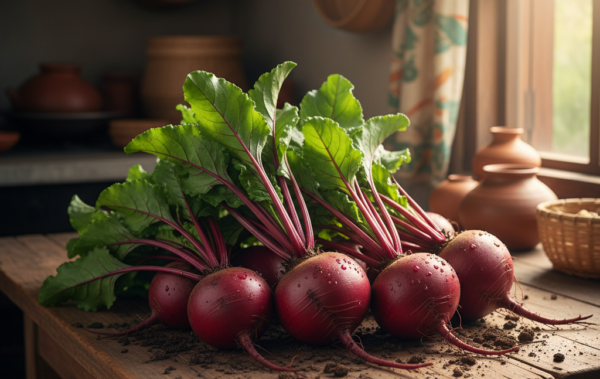
- Sweetness: Lower temperatures encourage the conversion of starches into sugars, which is why up-country carrots and beets have a distinct natural sweetness.
- Color: The high UV exposure at high altitudes combined with cool air enhances the pigmentation of vegetables, leading to deeper oranges, vibrant greens, and rich purples.
At NunuFresh, we understand that this climate is a gift, which is why we prioritize sourcing directly from these high-altitude farms to ensure that the freshness of the hills reaches your doorstep.
2. Red-Yellow Podzolic Soil: The Nutrient Powerhouse
The soil in Nuwara Eliya is officially classified by soil scientists as Red-Yellow Podzolic soil. For a farmer, this is the equivalent of striking gold. This specific soil type is characterized by its high organic matter content and its ability to retain essential nutrients while providing excellent drainage.
Rich Organic Matter
Because the region was historically covered in dense montane forests, the earth is incredibly rich in decomposed organic material. This creates a fertile ‘humus’ layer that feeds the vegetables naturally. Unlike the sandy soils of the coast or the heavy clay of the dry zone, this soil is friable and loamy, allowing root vegetables like potatoes and parsnips to expand easily without resistance.
Natural Mineral Density
The geological history of the Central Highlands has left the soil packed with minerals like potassium, magnesium, and phosphorus. These minerals are absorbed by the plants, making the produce not just tastier, but more nutritionally dense. When you consume organic produce from this region, you are quite literally consuming the minerals of the mountains.
3. A Legacy of Tradition and Expertise
Farming in Nuwara Eliya is more than just an industry; it is a heritage. The tradition of ‘up-country’ vegetable cultivation began in earnest during the British colonial period, earning the town the nickname ‘Little England.’ The British introduced temperate vegetables like cabbage, leeks, and carrots, and the local farming community perfected the art of growing them over the last 150 years.
Generational Knowledge
Most farmers in the region come from families that have tilled the same plots of land for decades. They possess an intuitive understanding of the weather patterns, knowing exactly when the mist will settle and when the rains will be too heavy. This human element is crucial. They use traditional terracing techniques to prevent soil erosion on the steep slopes, ensuring that the fertile topsoil isn’t washed away by the monsoon rains.
The Move Towards Organic Practices
In recent years, there has been a significant shift back toward traditional organic methods. Farmers are increasingly moving away from synthetic fertilizers in favor of compost and natural pest control. This transition protects the delicate ecosystem of the highlands and ensures that the vegetables are free from harmful chemical residues. By choosing NunuFresh, you are supporting these sustainable practices and the farmers who work tirelessly to maintain the purity of their land.
4. The Nutritional Advantage: Why It Matters for Your Family
When we talk about ‘superiority,’ we aren’t just talking about taste. High-altitude, organically grown vegetables have been shown in various studies to contain higher levels of antioxidants and vitamins. The ‘stress’ of the cooler climate and the rich mineral content of the soil force the plants to produce more secondary metabolites—compounds that protect the plant and, when eaten, provide significant health benefits to humans.
- Vitamin C: Leafy greens from the highlands are often higher in Vitamin C compared to their lowland counterparts.
- Antioxidants: The vibrant colors of Nuwara Eliya produce indicate high levels of anthocyanins and beta-carotene.
- Fiber: Due to the slower growth rate, the cellular structure of these vegetables is more robust, providing better dietary fiber.
5. From the Misty Hills to Your Kitchen: The NunuFresh Promise
The biggest challenge with Nuwara Eliya produce has traditionally been the supply chain. In the past, by the time these delicate vegetables traveled from the hills to the Colombo markets, they had often lost their vitality. This is where the modern approach changes the game.
NunuFresh bridges the gap between the traditional farms of Nuwara Eliya and your kitchen. By sourcing directly and utilizing optimized logistics, we ensure that the ‘superiority’ of the soil and climate is preserved. You get to experience the vegetables exactly as they were intended: crisp, nutrient-dense, and bursting with the flavor of the mountains.
Conclusion: Taste the Difference Today
Nuwara Eliya vegetables are superior because they are a product of their environment—a perfect harmony of high-altitude mist, mineral-rich podzolic soil, and a century of farming expertise. When you choose produce from this region, you aren’t just buying food; you are investing in your family’s health and supporting a sustainable agricultural tradition that defines the heart of Sri Lanka.
Ready to bring the freshness of the hills into your home? Explore the full range of organic, farm-fresh Nuwara Eliya produce at NunuFresh and taste the difference that true quality makes.
Shop Fresh from NunuFresh
These products mentioned in this article are available for delivery: