No products in the cart.
Mukunuwenna Health Benefits: Traditional and Modern Uses
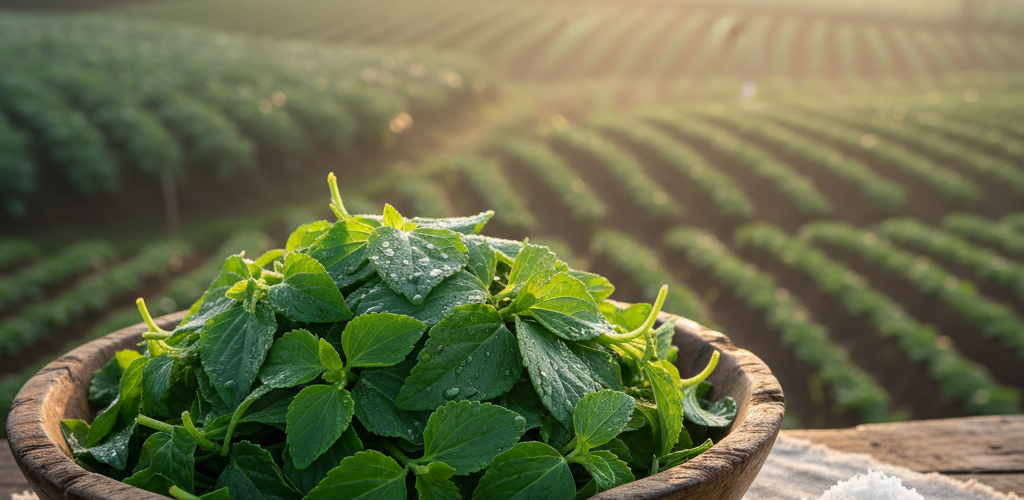
In the lush, mist-covered hills of Nuwara Eliya, where the soil is rich and the air is crisp, a humble green leaf thrives with extraordinary resilience. To a casual observer, it might look like just another garden plant, but to generations of Sri Lankans, it is known as the “gold of the garden.” We are talking about Mukunuwenna (Alternanthera sessilis), a staple in our local diet that bridges the gap between ancient Ayurvedic wisdom and modern nutritional science.
Whether you grew up drinking a warm glass of Mukunuwenna Kola Kenda before school or enjoy a fresh Mallum with your rice and curry, this leafy green is more than just a side dish. Today, we explore the comprehensive health benefits of Mukunuwenna, exploring why this traditional superfood is making a major comeback in modern healthy living.
The Nutritional Profile: A Powerhouse in Every Leaf
Mukunuwenna is often classified as a “sessile joyweed,” and its nutritional density truly brings joy to the body. Scientific analysis reveals that these small leaves are packed with an impressive array of micronutrients that are essential for daily vitality. For Sri Lankan families looking to boost their immunity naturally, understanding what is inside these leaves is the first step.
Vitamins and Minerals
- Vitamin A: Crucial for vision and immune function. Mukunuwenna is exceptionally high in beta-carotene, which the body converts into Vitamin A.
- Iron: With higher iron content than many other leafy greens, it is an excellent dietary choice for combating anemia and boosting energy levels.
- Calcium: Essential for strong bones and teeth, making it a vital addition to the diets of growing children and the elderly.
- Vitamin C: A powerful antioxidant that supports skin health and helps the body fight off seasonal flu and infections.
- Dietary Fiber: The high fiber content aids in smooth digestion and helps maintain a healthy gut microbiome.
When you source fresh produce through NunuFresh, you are getting greens harvested from the mineral-rich soils of Nuwara Eliya, ensuring that these nutrient levels are at their absolute peak when they reach your kitchen.
Traditional Ayurvedic Uses: The Wisdom of our Ancestors
In Ayurveda, Mukunuwenna is referred to as Matsyakshi (meaning ‘fish-eyed’) because of its renowned ability to improve eyesight. It is considered a cooling herb (sheetha), making it the perfect remedy for balancing Pitta dosha, which often manifests as internal heat, skin rashes, or digestive acidity.
1. The Secret to Radiant Eyes
Perhaps the most celebrated benefit in traditional medicine is its impact on vision. Ancient texts suggest that regular consumption of Mukunuwenna can help treat night blindness and soothe tired eyes. In many Sri Lankan households, a paste of the leaves is traditionally applied to the eyelids to reduce inflammation and “heat” after a long day in the sun.
2. “Ponnanganni”: The Golden Body
In Tamil tradition, the plant is known as Ponnanganni, a name derived from the words ‘Pon’ (gold), ‘Angam’ (body), and ‘Kanni’ (eye). It was believed that eating this green for 48 days would give the body a golden luster. This isn’t just folklore; the high antioxidant and Vitamin E content truly do work from the inside out to purify the blood and improve skin complexion.
3. Promoting Thick, Lustrous Hair
Mukunuwenna is a key ingredient in traditional Sri Lankan hair oils. It is believed to stimulate the scalp, prevent premature graying, and strengthen hair roots. Many families still practice the ritual of making homemade herbal oils infused with Mukunuwenna juice to maintain thick, healthy hair.
Modern Scientific Perspectives: What the Research Says
While our grandmothers knew its benefits through experience, modern science is now validating these claims with rigorous research. Studies on Alternanthera sessilis have uncovered properties that go far beyond basic nutrition.
Anti-Inflammatory and Antioxidant Activity
Research published in various pharmaceutical journals highlights that Mukunuwenna is rich in flavonoids and phenolic compounds. These act as powerful antioxidants that neutralize free radicals in the body, potentially reducing the risk of chronic diseases like heart disease and certain cancers. Its anti-inflammatory properties also make it beneficial for those suffering from joint pain or inflammatory bowel conditions.
Managing Blood Sugar and Cholesterol
Emerging studies suggest that Mukunuwenna may play a role in metabolic health. Some animal trials have shown that extracts of the plant can help lower blood glucose levels and reduce “bad” LDL cholesterol. While more human trials are needed, incorporating these greens into a balanced diet is a smart move for anyone managing diabetes or heart health.
Liver Protection (Hepatoprotective Effects)
The liver is our body’s primary detox organ, and Mukunuwenna has shown significant potential in protecting liver cells from toxins. Traditionally used to treat jaundice, modern science confirms that the plant helps in the regeneration of liver tissue and enhances the organ's detoxification pathways.
The Nuwara Eliya Advantage: Why Organic Farming Matters
Not all Mukunuwenna is created equal. Because this plant loves moisture, it is often grown in areas where water runoff can carry pesticides and chemical fertilizers. In Sri Lanka, the cool, misty climate of Nuwara Eliya provides the ideal environment for growing leafy greens that are crisp, flavorful, and nutrient-dense.
At NunuFresh, we prioritize organic farming practices. By delivering produce directly from Nuwara Eliya farms to your doorstep, we ensure that your Mukunuwenna is free from the harmful chemical residues often found in mass-market vegetables. When you eat organic, you aren’t just eating “clean”; you are consuming a plant that has developed its own natural defenses, resulting in higher concentrations of beneficial phytochemicals.
How to Incorporate Mukunuwenna into Your Diet
To reap the maximum health benefits, the way you prepare Mukunuwenna matters. Here are the most effective ways to enjoy it:
The Classic Mukunuwenna Mallum
This is the most popular way to consume these greens. Shred the leaves finely and toss them with grated coconut, green chilies, red onions, a hint of turmeric, and lime juice. Pro-tip: Do not overcook the leaves. A quick 2-minute stir-fry preserves the heat-sensitive Vitamin C and enzymes.
Traditional Kola Kenda
For a powerful detoxifying breakfast, blend fresh Mukunuwenna leaves with water, strain the juice, and add it to a pot of boiling red rice and coconut milk. This herbal porridge is incredibly cooling and provides a sustained energy boost for the day.
Modern Stir-fries and Salads
If you’re looking for a twist, try adding Mukunuwenna to a garlic and mushroom stir-fry or using the tender young shoots in a fresh green salad. Its mild, slightly nutty flavor pairs well with almost anything.
Safety and Selection
When buying Mukunuwenna, look for vibrant green leaves without any yellowing or wilting. In Sri Lanka, you might find two varieties: "Waga Mukunuwenna" (the cultivated variety) and "Weda Mukunuwenna" (the wild, more medicinal variety). Both are highly beneficial, but the wild variety is often sought after for specific Ayurvedic treatments.
Conclusion
Mukunuwenna is a testament to the incredible healing power of nature that sits right in our backyards. From protecting our vision and nourishing our skin to fighting inflammation and supporting the liver, its benefits are truly comprehensive. By choosing fresh, organic produce sourced from the heart of Sri Lanka’s hill country, you are making a conscious choice for your family’s long-term health.
Ready to bring the "gold of the garden" to your dining table? Explore our selection of farm-fresh, organic leafy greens today. At NunuFresh, we are committed to delivering the best of Nuwara Eliya’s harvest directly to your home, ensuring that every meal you serve is packed with nature’s finest nutrients.