No products in the cart.
Carrot Nutrition Guide: Vitamins, Minerals & Health Benefits
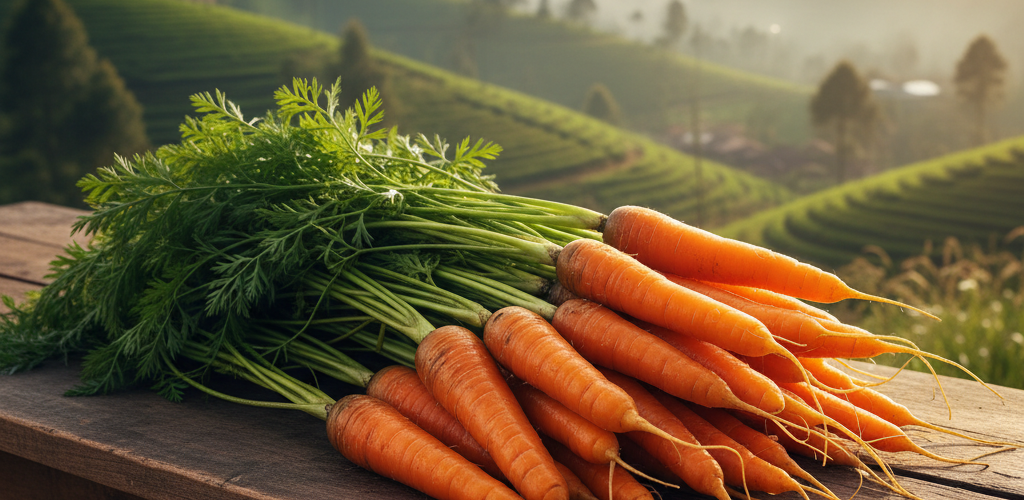
In the mist-covered highlands of Nuwara Eliya, where the air is crisp and the soil is rich, some of the world’s finest carrots are harvested every day. Known to Sri Lankans as a staple in everything from a spicy carrot sambol to a comforting vegetable curry, this vibrant orange root vegetable is more than just a colorful addition to your plate. It is a nutritional powerhouse that has been celebrated for centuries for its medicinal and health-promoting properties.
Understanding what goes into your body is the first step toward a healthier lifestyle. In this comprehensive guide, we will dive deep into the nutritional profile of carrots, explore the specific vitamins and minerals they provide, and discuss why sourcing organic produce from the hills of Sri Lanka makes a world of difference for your family’s health.
The Nutritional Profile of Carrots
Carrots (Daucus carota) are primarily composed of water and carbohydrates. For every 100 grams of raw carrots, you are consuming approximately 41 calories, making them an excellent choice for those looking to maintain a healthy weight without sacrificing essential nutrients. Here is a breakdown of what you can expect from a standard serving:
- Water: 88%
- Protein: 0.9 grams
- Carbs: 9.6 grams
- Sugar: 4.7 grams
- Fiber: 2.8 grams
- Fat: 0.2 grams
The carbohydrates in carrots consist of starch and sugars, such as sucrose and glucose. However, they rank low on the glycemic index (GI), which means they don’t cause a rapid spike in blood sugar. This makes them a safe and healthy option for individuals managing diabetes.
The Role of Dietary Fiber
Carrots are a significant source of soluble and insoluble fiber. Pectin is the main form of soluble fiber in carrots, which can help lower blood sugar levels by slowing down the digestion of sugar and starch. Insoluble fibers, such as cellulose and lignin, promote regular bowel movements and reduce the risk of constipation—a common concern in many modern diets.
Vitamins and Minerals: What’s Inside?
The true magic of the carrot lies in its micronutrient content. While we often associate them with vision, their benefits extend to every system in the human body.
1. Vitamin A (from Beta-Carotene)
Carrots are perhaps the best-known source of beta-carotene, which the body converts into Vitamin A. This nutrient is essential for maintaining healthy vision, supporting a robust immune system, and ensuring proper growth and development. Just one medium carrot can provide over 200% of your daily recommended intake of Vitamin A.
2. Vitamin K1 (Phylloquinone)
Important for bone health and blood coagulation, Vitamin K1 is found in abundance in carrots. This is particularly important for growing children and the elderly in Sri Lanka, as it helps in maintaining bone density and preventing fractures.
3. Potassium
An essential mineral, potassium helps control blood pressure and supports heart function. For families who consume a diet high in traditional spices and salts, potassium-rich vegetables like carrots help balance sodium levels in the body.
4. Vitamin B6
This group of related vitamins is involved in the conversion of food into energy. It also plays a vital role in brain health and the production of neurotransmitters.
5. Biotin
Formerly known as Vitamin H, biotin plays an important role in fat and protein metabolism, contributing to healthy hair, skin, and nails.
The Amazing Health Benefits of Carrots
Beyond the basic vitamins, carrots contain plant compounds that act as powerful antioxidants. These include alpha-carotene, lutein, and lycopene. Let’s explore how these nutrients translate into real-world health benefits.
Improved Eye Health
The old saying that carrots help you see in the dark isn’t entirely a myth. Vitamin A deficiency is one of the leading causes of preventable blindness in children worldwide. Carrots are rich in lutein and zeaxanthin, which help protect the retina from oxidative stress and reduce the risk of age-related macular degeneration.
Heart Health and Cholesterol Management
Regular consumption of carrots has been linked to lower cholesterol levels. The soluble fiber binds with bile acids (which contain cholesterol) and helps escort them out of the body. Furthermore, the high potassium content helps relax the blood vessels, reducing the strain on the cardiovascular system.
Weight Management
As a low-calorie, high-fiber food, carrots increase satiety. Eating carrots as a snack or as a major part of a meal can help you feel full for longer, reducing the urge to reach for processed, calorie-dense snacks. This is why many Sri Lankan nutritionists recommend adding grated carrots to traditional breakfast dishes like Pol Sambol or Upma.
Skin Glow and UV Protection
The carotenoids in carrots can help protect your skin against UV damage and improve the overall skin appearance. While it’s no substitute for sunscreen, a diet rich in organic carrots can give your skin a natural, healthy glow from the inside out.
Why Nuwara Eliya Carrots are Superior
In Sri Lanka, the location where your vegetables are grown matters. The high altitude, cool climate, and unique soil composition of Nuwara Eliya provide the perfect environment for carrots to develop their natural sweetness and high nutrient density. When you choose carrots from this region, you are getting produce that has matured slowly, allowing the roots to soak up more minerals from the earth.
However, the way these carrots are farmed is equally important. Conventional farming often uses heavy pesticides and synthetic fertilizers to speed up growth. These chemicals can linger on the vegetable and strip away some of the natural antioxidants. This is why NunuFresh prioritizes organic and naturally grown produce. By sourcing directly from Nuwara Eliya farms, NunuFresh ensures that the carrots reaching your doorstep are free from harmful chemicals and packed with the maximum possible nutrition.
Maximizing Nutrition: How to Eat Your Carrots
Did you know that how you prepare your carrots changes how much nutrition you absorb? While raw carrots are great for fiber, cooking them actually makes the beta-carotene more bioavailable.
- Add a Healthy Fat: Vitamin A is fat-soluble. To absorb it effectively, eat your carrots with a little bit of healthy fat, such as coconut milk in a curry or a drizzle of olive oil in a salad.
- Don’t Over-peel: Many of the nutrients are concentrated just under the skin. Instead of deep peeling, give your carrots a good scrub with a vegetable brush.
- Carrot Sambol: A Sri Lankan favorite! Grated carrots mixed with fresh coconut, green chilies, lime, and onions. This raw preparation preserves the Vitamin C content.
- Carrot Juice: A concentrated way to get your vitamins, though you lose some fiber. It’s a perfect refreshing drink for the Sri Lankan heat.
Sourcing Fresh: The NunuFresh Advantage
The journey from the farm to your table should be as short as possible. The longer a vegetable sits on a shelf or in a transport truck, the more vitamins it loses. NunuFresh bridges this gap by delivering fresh produce directly from the farms of Nuwara Eliya to your home. When you order through NunuFresh, you are supporting local farmers who use sustainable practices, ensuring that your family gets the freshest, most nutrient-dense vegetables available in Sri Lanka.
Conclusion
Carrots are a versatile, affordable, and incredibly nutritious addition to any diet. Whether you are looking to improve your vision, protect your heart, or simply provide the best for your children, the humble carrot is your best ally. By choosing organic, highland-grown produce, you ensure that you are getting the full spectrum of vitamins and minerals without any of the chemical additives.
Ready to bring the freshness of Nuwara Eliya into your kitchen? Explore the wide range of organic vegetables and fresh produce at NunuFresh today. Give your family the gift of health with every crunch!
Visit NunuFresh.lk to order your fresh organic carrots and experience the difference of farm-to-table delivery.