No products in the cart.
Cabbage Nutrition Guide: Vitamins, Minerals, and Health Benefits
The Humble Superfood: Why Cabbage is a Sri Lankan Kitchen Essential
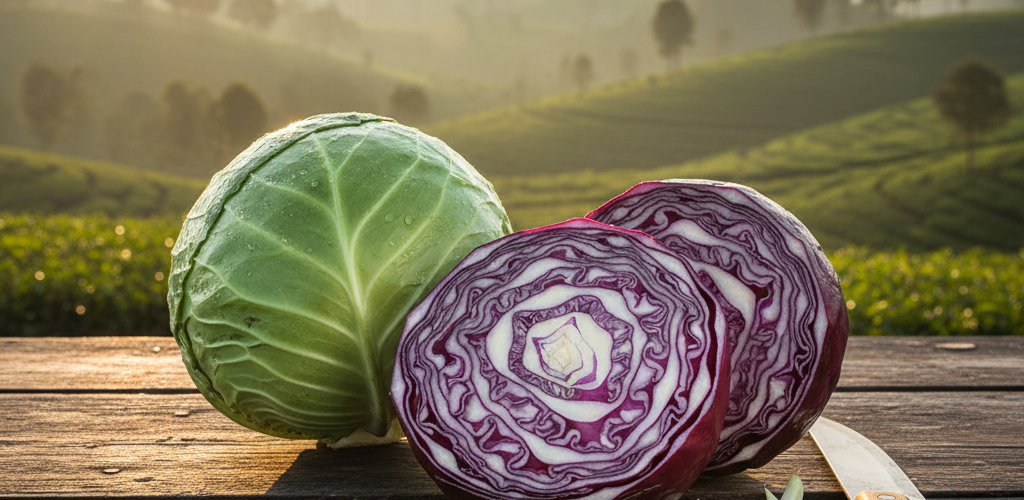
In the misty highlands of Nuwara Eliya, where the air is crisp and the soil is remarkably fertile, one vegetable stands out as a true champion of the Sri Lankan kitchen: the cabbage. Known locally as ‘Gowa,’ this cruciferous vegetable is far more than just a crunchy addition to your lunch plate. It is a nutritional powerhouse packed with vitamins, minerals, and health-protecting compounds that have been celebrated for centuries. From the classic ‘Gowa Mallum’ to refreshing salads, cabbage is a staple that bridges the gap between affordable everyday food and elite-level nutrition.
Despite its common presence, many Sri Lankan families overlook the incredible health profile of this vegetable. Often overshadowed by trendier ‘superfoods,’ cabbage holds its own with a dense concentration of Vitamin C, Vitamin K, and powerful antioxidants. When sourced from organic farms in the central hills, the nutrient density of these vegetables is even higher, free from the synthetic pesticides that can often strip away the natural vitality of the plant. At NunuFresh, we see firsthand the difference that high-quality, Nuwara Eliya-grown organic cabbage makes in the lives of our customers.
The Nutritional Breakdown: What is Inside Your Cabbage?
Cabbage is remarkably low in calories but exceptionally high in nutrients. This makes it an ideal food for those looking to maintain a healthy weight without sacrificing essential vitamins. One cup (approximately 89 grams) of raw green cabbage contains a staggering array of nutrients. Let us look at the breakdown based on standard nutritional data:
- Vitamin K: 85% of the Daily Value (DV)
- Vitamin C: 54% of the DV
- Folate: 10% of the DV
- Manganese: 7% of the DV
- Vitamin B6: 6% of the DV
- Calcium: 3% of the DV
- Potassium: 3% of the DV
- Magnesium: 3% of the DV
Vitamin K: The Bone and Blood Hero
Cabbage is one of the best plant-based sources of Vitamin K1. This fat-soluble vitamin is crucial for two primary functions in the body. First, it acts as a co-factor for enzymes that regulate blood clotting. Without it, the body cannot properly heal wounds. Secondly, Vitamin K is vital for bone health, working alongside calcium to maintain bone density. For aging populations in Sri Lanka, incorporating Nuwara Eliya cabbage into the diet is a natural way to support skeletal strength.
Vitamin C: Boosting Immunity in the Tropics
While we often turn to citrus fruits for our Vitamin C fix, cabbage is an often-overlooked alternative. Vitamin C is a potent antioxidant that protects the body from damage caused by free radicals. It also plays a critical role in collagen production, which is essential for healthy skin, joints, and wound healing. Red cabbage, in particular, contains even more Vitamin C than the green variety, making it a vibrant and healthy addition to any meal.
7 Incredible Health Benefits of Cabbage
Beyond its basic vitamins and minerals, cabbage contains unique phytonutrients that provide specific health protections. Here are seven reasons why you should make cabbage a regular part of your family’s diet.
1. Improved Digestion and Gut Health
Cabbage is loaded with gut-friendly insoluble fiber, which keeps the digestive system healthy by adding bulk to stools and promoting regular bowel movements. Furthermore, it is rich in soluble fiber, which serves as fuel for beneficial gut bacteria like Bifidobacteria and Lactobacilli. In Sri Lanka, where spicy foods are common, maintaining a healthy gut lining with the soothing properties of cabbage can significantly improve overall digestive comfort.
2. Heart Health and Blood Pressure Regulation
Red cabbage contains powerful compounds called anthocyanins. These are the pigments that give the vegetable its vibrant purple color. Studies have shown a strong link between eating foods rich in these pigments and a reduced risk of heart disease. Additionally, cabbage is an excellent source of potassium. Potassium helps regulate blood pressure by counteracting the effects of sodium in the diet, making it a critical vegetable for managing hypertension.
3. Powerful Anti-inflammatory Properties
Chronic inflammation is linked to many serious illnesses, including heart disease and diabetes. Cruciferous vegetables like cabbage contain various antioxidants that have been shown to reduce chronic inflammation. Sulforaphane and kaempferol are two such compounds found in cabbage that help the body fight off oxidative stress and keep inflammatory markers low.
4. Weight Management
For those looking to manage their weight, cabbage is a ‘volume food.’ Because it is high in fiber and water but very low in calories, you can eat a large portion and feel full without consuming excessive energy. Replacing a portion of rice with a generous serving of lightly sautéed cabbage is a popular strategy in healthy Sri Lankan meal planning.
5. Protection Against Certain Cancers
Research suggests that the glucosinolates found in cabbage can be converted into isothiocyanates in the body, which may help prevent various types of cancer, including colon, breast, and prostate cancer. These compounds help the body detoxify carcinogens and prevent the growth of tumor cells.
6. Brain Health and Cognitive Function
The presence of Vitamin K and anthocyanins in cabbage can help with mental function and concentration. Vitamin K is essential for the production of sphingolipids, the specialized fats that make up the myelin sheath around nerves. Protecting this sheath is key to preventing nerve damage and cognitive decline as we age.
7. Radiant Skin and Complexion
Thanks to its high sulfur and Vitamin C content, cabbage is excellent for skin health. Sulfur is often called the ‘nature’s beauty mineral’ because it is necessary for the synthesis of keratin and collagen. Regular consumption of fresh, organic cabbage can help clear up skin blemishes and provide a natural glow.
Why Nuwara Eliya Cabbage is the Gold Standard
Not all cabbage is created equal. The quality of the soil and the climate in which the vegetable is grown directly impact its nutrient profile. Nuwara Eliya, often called ‘Little England,’ provides the perfect temperate climate for cabbage to thrive. The high altitude and cool temperatures allow the cabbage to grow slowly, developing a crisp texture and a sweeter, more concentrated flavor than varieties grown in hotter lowlands.
When you choose organic produce from these regions, you are ensuring that the vegetable hasn’t been forced to grow with synthetic fertilizers, which can sometimes lead to higher water content but lower nutrient density. At NunuFresh, we work closely with farmers who prioritize traditional and organic methods, ensuring that the ‘Gowa’ reaching your doorstep in Colombo or Kandy is as nutritious as the day it was harvested.
Cooking Tips to Preserve Nutrients
To get the most out of your cabbage, how you prepare it matters. Overcooking cabbage can lead to the loss of Vitamin C and the development of a strong, sulfurous smell. Here are some tips for the Sri Lankan kitchen:
- The Mallum Method: Shred the cabbage finely and toss it with fresh coconut, green chilies, and turmeric. Cook it very briefly over high heat so it retains its crunch and vibrant color.
- Raw in Salads: Thinly sliced raw cabbage provides the maximum amount of Vitamin C. Try a Sri Lankan-style coleslaw with lime juice and black pepper.
- Fermentation: While not a traditional Sri Lankan method, fermenting cabbage (like Sauerkraut) creates probiotics that are amazing for gut health.
- Steaming: If you prefer cooked cabbage, steaming is better than boiling, as it prevents the water-soluble vitamins from leaching out into the cooking water.
Conclusion: A Simple Step Toward Better Health
Cabbage is a humble, affordable, and incredibly versatile vegetable that offers protection against chronic diseases while supporting everyday vitality. By understanding the vitamins and minerals packed into every leaf, we can appreciate this local staple as the superfood it truly is. Whether you are looking to improve your heart health, boost your immunity, or simply enjoy a delicious, crunchy meal, cabbage is the answer.
Bringing the freshness of the Nuwara Eliya farms to your table has never been easier. By choosing organic, sustainably grown produce, you are not only investing in your family’s health but also supporting the hardworking farming communities of our hill country.
Ready to experience the crisp, nutrient-dense goodness of fresh Nuwara Eliya produce? Explore the wide selection of organic vegetables at NunuFresh today and have the best of Sri Lanka’s harvest delivered straight to your door.